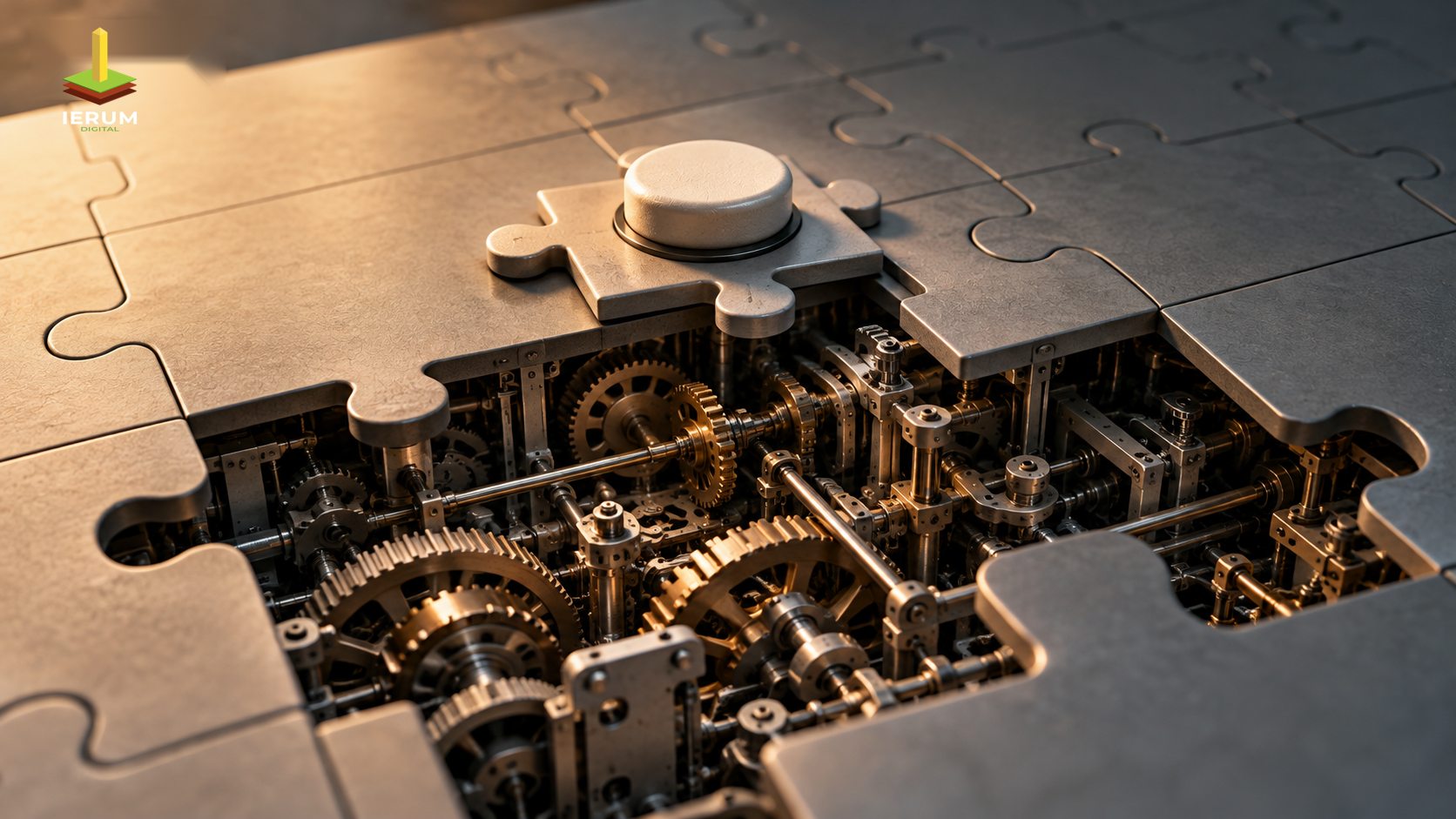
For decades, one of the main goals of software development has been to make complex systems easy to use. We designed intuitive interfaces, organized actions into menus, and built workflows that let people get things done without having to understand everything happening behind the scenes.
And it worked. Today we can edit photographs, run a business, or analyze large amounts of information using tools whose inner workings we barely know. We learned to use them, developed skills, and found increasingly efficient ways to work.
But artificial intelligence is introducing an interesting change. We can now describe what we need and ask a system to do it for us. Something that should, in theory, be simpler can turn out to be unexpectedly difficult.
Consider someone who runs an online store and prepares a sales report every month. They download files, update a spreadsheet, apply filters, and review charts. They know the routine so well that they barely have to think about it.
One day, they ask an AI assistant to prepare the same report. It returns monthly sales, best-selling products, and a comparison with the previous period. The numbers are correct, yet something about the result feels incomplete.
Looking closer, they notice that returns, unpaid orders, platform fees, and several calculations they normally use to assess the business are missing. None of these were mentioned in the request. To them, those steps were simply part of preparing the report.
The AI did what it was asked to do. The task that seemed simple actually involved far more decisions than the person had considered when describing it.
With practice, complex processes become routines. We stop consciously thinking about every operation because we already know how to perform it. Interfaces help make this possible: they organize information, present options, and let us carry out sophisticated actions through a few familiar controls. A spreadsheet may contain dozens of formulas and interpretation rules, but to someone who uses it every month, the task may feel like nothing more than opening a file and refreshing the data.
The complexity is still there, even when we no longer notice it.
The same thing happens when editing a photograph. We can adjust contrast, exposure, and color until we like the result. But if we simply ask an AI to “improve this image,” we may discover how hard it is to explain exactly what should change and what needs to stay the same.
This helps explain some of the resistance to natural-language interfaces. Someone who knows an application well has experience, independence, and confidence in their workflow. Replacing familiar steps with a description forces them to articulate decisions they previously made almost automatically. It is understandable that a familiar task suddenly feels harder.
That does not mean talking to a machine is always better. Visual interfaces help us explore, compare alternatives, and discover what we want as we work. Sometimes manipulating a chart or image directly is much more natural than describing every change in words.
The interesting possibility is that these approaches can complement each other.
For the online store, the assistant could help reconstruct the existing reporting process, identify its rules, and ask about decisions left unstated. The conversation could produce the report while also helping the person understand how it is built and which information really matters to the business.
That opens up an opportunity beyond automating tasks. AI can help us examine knowledge we acquired through practice but never had to put into words. It can also encourage us to question routines we have followed for years without revisiting their assumptions.
Of course, this will not happen automatically. If we accept every output without understanding it, we may become dependent on decisions we cannot evaluate. This is why the design of these new tools matters: they should recognize ambiguity, ask for clarification, and help people stay in control.
For years, we worked to hide the complexity of systems and make them more accessible. Now we have an opportunity to use technology to better understand that complexity, recognize what we actually need, and learn to express it more precisely.
If we make the most of this moment, we may develop a skill that reaches far beyond using AI: becoming more aware of what we need, why we need it, and how to communicate it to others. Learning to explain our intentions more clearly could improve not only how we work with tools, but also how we understand one another.